
Japan takes cards in far more places than it did a few years ago, but it is still a country where you can be caught out without cash. Here is what works where, and how much to carry.
Where cards work
Hotels, department stores, chain restaurants, convenience stores and train ticket machines all take Visa and Mastercard. Contactless payment is common in cities. American Express is accepted less often outside large hotels.
Where you still need cash
- Small restaurants, ramen counters with ticket machines, and market stalls.
- Temples and shrines, for entry fees and offerings.
- Rural buses, some taxis outside the big cities, and coin lockers.
We suggest keeping 10,000 to 20,000 yen on you. The ATMs in 7-Eleven stores and post offices accept foreign cards around the clock and have English menus.
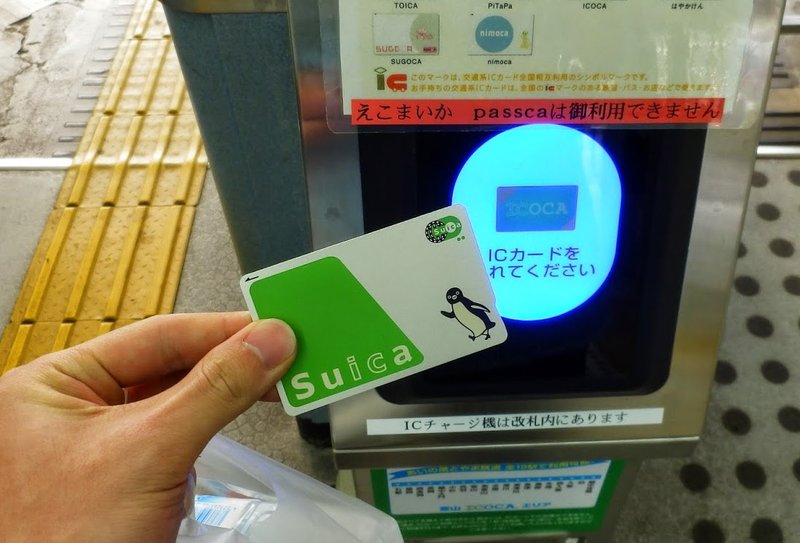
IC cards
An IC card such as Suica, Pasmo or ICOCA is a rechargeable card you tap on the ticket gate. One card works nationwide on almost all trains, subways and buses, and in most shops and vending machines.
If you have an iPhone, you can add a Suica to Apple Wallet before you leave home and top it up with your own card. On Android, this only works on phones sold in Japan, so buy a physical card at the airport instead.
Tipping is not expected anywhere in Japan. Leaving money on the table usually means a member of staff running after you to give it back.
Tax-free shopping
Visitors can buy goods over 5,000 yen without the 10% consumption tax at shops showing the tax-free sign. Bring your passport: the shop needs to scan it.
Yui Nakamura
Born in Osaka, Yui leads our food walks and writes about eating well and paying for it without fuss.
Yui Nakamuraの記事をもっと見る